

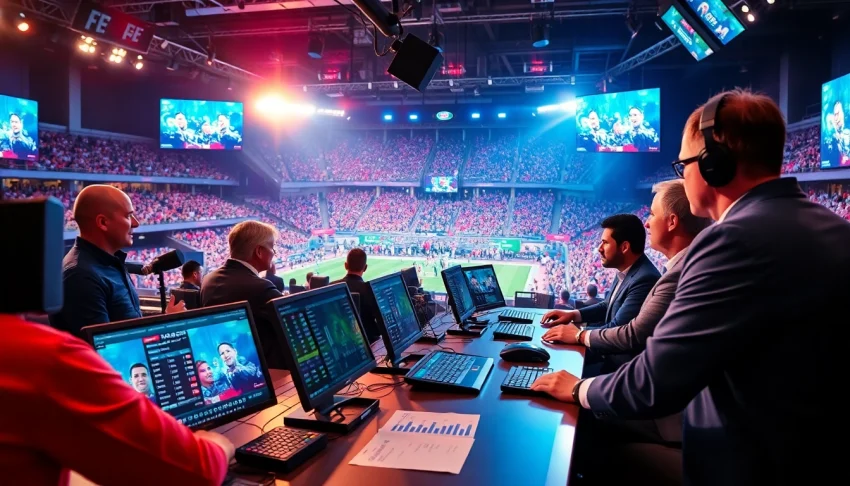
Understanding Sports Broadcasting
The Essence of Sports Broadcasting
Sports broadcasting serves as a critical conduit between sports events and their audiences. It encompasses the entire process of reporting on sports, from live event coverage to pre-game analysis, offering viewers insights that elevate their understanding and enjoyment of the game. At its core, sports broadcasting merges the thrill of competition with innovative storytelling, allowing fans to feel connected to the game from their homes or on-the-go. By harnessing various platforms, including television, radio, and digital channels, Sports Broadcasting enhances the fan experience and brings extraordinary events to life.
Historical Perspectives
To appreciate the current landscape of sports broadcasting, it is essential to delve into its history. The evolution began in the early 20th century with radio broadcasts that brought baseball games to fans’ living rooms. The introduction of television in the 1950s revolutionized sports viewership, offering visual access to games and creating superstars out of athletes. The rise of cable networks in the 1980s and the advent of the internet reshaped the industry yet again, leading to increased accessibility and diversity in content. Understanding these historical shifts helps to contextualize the current state and significance of sports broadcasting as a multi-billion-dollar industry.
Current Trends in Sports Broadcasting
Today, sports broadcasting is undergoing significant transformations driven by technological advancements and changing consumer preferences. Among the notable trends are:
- Streaming Services: Live streaming platforms have gained immense popularity, offering flexible viewing options compared to traditional cable.
- Personalization: Broadcasters leverage data analytics to curate content that appeals to individual viewers, enhancing engagement.
- Social Media Integration: Platforms like Twitter, Facebook, and TikTok are used to share highlights and build fan interaction, creating new narratives around sporting events.
These trends reflect a pivot towards creating more engaging and interactive experiences for audiences while expanding revenue opportunities for broadcasters.
Key Components of Effective Sports Broadcasting
Technology and Equipment
Technological advancements are at the heart of effective sports broadcasting. High-definition cameras, drone technology, and augmented reality enhance the viewing experience, allowing for different perspectives and immersive visuals. The use of graphics and statistical overlays provides crucial context to the action, offering viewers insights that can enhance their understanding and enjoyment of the sporting event.
Moreover, robust broadcasting software and reliable transmission equipment ensure that footage is delivered seamlessly. With the emergence of 5G technology, broadcasters can expect even greater advancements in live streaming quality, offering audiences a near-real-time experience that enriches their connection to the game.
Talent and Presentation Skills
The presence on-screen talent plays a pivotal role in shaping audience perception and engagement. Broadcasters seek out experienced commentators and analysts who not only understand the nuances of the sport but can also connect with viewers through relatable narratives. Strong presentation skills, including clear articulation, engaging delivery, and the ability to convey excitement, are essential. Training programs can refine these skills, ensuring that talents adapt to changing styles of sports presentation, particularly with younger audiences seeking authenticity and relatability.
Content Planning and Scheduling
Effective content planning and scheduling are crucial for the success of any sports broadcast. This involves strategic coordination during sports seasons to maximize viewership. Broadcasters must anticipate peak viewing times and schedule marquee matchups accordingly. Planning also includes pre-game shows that set the stage for events, post-game analysis, and ongoing featuring of highlights, helping to keep audiences engaged between events.
Additionally, digital content—such as podcasts, blogs, and video highlight reels—should be integrated into the broadcasting schedule to bolster online presence and remain relevant in an increasingly digital-first world.
Audience Engagement in Sports Broadcasting
Interactive Broadcasting Techniques
Engaging today’s audience requires innovative broadcasting techniques that encourage interaction. Live voting, Q&A sessions, and fan polls during broadcasts allow viewers to become part of the event, rather than passive observers. Some networks even offer integrated gaming elements, where performance can influence in-game outcomes. These practices enhance viewer loyalty and transform sports broadcasting into an engaging, community-driven activity.
Analytics and Audience Feedback
Data-driven decisions have become integral to sports broadcasting, with metrics such as viewer ratings, social media engagement, and feedback being analyzed to refine content strategies. Broadcasters now utilize sophisticated analytics tools to monitor audience preferences, tailoring their offerings accordingly to maximize reach and relevance. Regular interaction with audiences through social media and surveys fosters loyalty and provides insights into what fans truly value.
Building a Community
Building a strong community around sports broadcasting is essential for long-term success. Engaging with fans on multiple platforms—like social media, fan forums, and community events—creates a sense of inclusion and belonging. Broadcasters who invest time in nurturing these relationships are likely to cultivate dedicated audiences who feel valued and connected, increasing their overall viewership and fan engagement.
Challenges in Sports Broadcasting
Navigating Rights and Licensing Issues
One of the most significant challenges in sports broadcasting lies in securing rights and licenses to air content. As sports organizations become more protective over their intellectual property, broadcasters must navigate complex negotiations to access the content desired by fans. Understanding legal frameworks, negotiating media rights, and ensuring compliance with broadcasting regulations is paramount in maintaining a competitive edge in the industry.
Adapting to Changing Audience Preferences
As viewing habits shift—particularly among younger audiences—broadcasters must adapt to these changes, embracing new delivery platforms and content styles. Connecting with younger demographics involves reimagining presentation methods and diversifying content to match the fast-paced digital landscape. Failing to adapt could lead to declining subscription numbers and diminished audience engagement.
Maintaining Quality During Live Events
Ensuring high-quality broadcasts during live events is an ongoing challenge. Factors such as weather conditions, technical issues, or unexpected happenings can disrupt any broadcast. Preparing for contingencies—like backup systems, additional camera feeds, and innovative editing techniques—can help maintain broadcast integrity and viewer satisfaction, even under unforeseen circumstances.
The Future of Sports Broadcasting
Emerging Technologies
The landscape of sports broadcasting is poised for revolutionary changes driven by emerging technologies. Augmented reality (AR), virtual reality (VR), and artificial intelligence (AI) will redefine how viewers experience sports, enabling immersive environments where fans feel as if they’re part of the action. The integration of these technologies promises to create new revenue streams and enhance audience engagement beyond traditional viewing methods.
Globalization and Market Expansion
As sports broadcasting continues to grow, globalization presents opportunities for expansion into international markets. Broadcasters can leverage cross-border rights and regional sports partnerships to tap into diverse fan bases, thus increasing their reach and revenue potential. Understanding cultural differences and preferences is crucial in establishing a global presence that resonates with both local and international audiences.
Innovative Content Delivery Methods
The future of sports broadcasting will see a proliferation of innovative content delivery methods. From personalized viewing experiences with on-demand content to interactive broadcasts that incorporate fan participation, the focus will be on delivering tailored storytelling. As viewers increasingly demand unique perspectives, broadcasters must innovate continuously, ensuring their content remains relevant and ahead of the curve.
FAQs about Sports Broadcasting
What is sports broadcasting?
Sports broadcasting involves the delivery of live sports events and related content through various media channels, including television, radio, and online platforms, providing viewers with real-time updates and insights.
How has technology impacted sports broadcasting?
Technological advancements, like HD cameras and streaming services, have significantly enhanced the viewing experience, providing immersive content and making sports more accessible to a global audience.
What skills are needed for sports broadcasters?
Skills essential for sports broadcasters include strong communication abilities, knowledge of various sports, on-screen presence, analytical skills, and the ability to engage with audiences dynamically.
What role does audience feedback play in sports broadcasting?
Audience feedback guides broadcasters in tailoring content to viewer preferences, enhancing engagement, and improving future broadcasts based on insights from viewer analytics and direct responses.
What are the future trends in sports broadcasting?
Future trends encompass emerging technologies like AR and VR, interactive content, globalization, and personalized viewing experiences, all aimed at enhancing fan engagement and accessibility.